Roof Replacement in the Niagara Region
Full roof replacement services for Niagara Region homes and businesses, featuring quality materials built to withstand our demanding lake-effect climate.
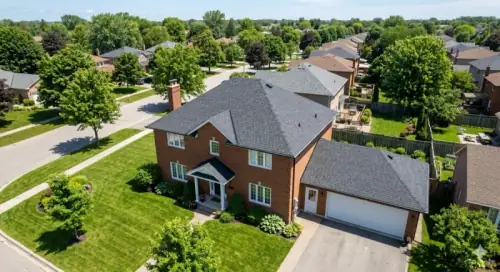
Complete Roof Replacement for Niagara Region Homes
A roof replacement is rarely an emergency, but it is almost always the right call once a roof crosses two thresholds: the material has aged past 80 percent of its expected lifespan, and the cost of patching individual problems is climbing each year. By the time you reach that point, the question is no longer whether to replace — it is what to install, who installs it, and how to make sure the next 25 to 50 years are easier than the last 5.
This is the work Niagara Peak Roofing does. We replace roofs across the Niagara Region with materials specified for our lake-effect winters and Lake Erie/Lake Ontario wind patterns, with installation practices built around ice damming risk, and with documentation that survives a future home sale or insurance claim. The sections below cover when replacement makes sense, the material trade-offs, our installation process, and what drives cost.
When Is It Time for a Roof Replacement?
Knowing when to transition from repairs to a full replacement can save you thousands of dollars in the long run. Here are the key indicators that your roof is ready for replacement:
Age of Your Roof
Most asphalt shingle roofs in the Niagara Region last between 15 and 25 years, depending on the quality of the original materials and installation, and the maintenance they have received. If your roof is approaching or has passed the 20-year mark, it is wise to schedule a professional roof inspection to assess its remaining lifespan.
Widespread Deterioration
When damage is no longer limited to a small area but has spread across large sections of the roof, individual repairs become less economical. Signs of widespread deterioration include extensive granule loss, multiple areas of curling or buckling shingles, and numerous patches from previous repairs.
Recurring Leaks
If you find yourself calling for leak repairs more than once a year, the underlying roofing system is likely failing. Continuous repairs on an aging roof are like putting patches on a worn-out tyre: each fix buys a little time but does not address the fundamental problem.
Structural Concerns
Sagging along the ridgeline or visible dips in the roof plane indicate that the structural components beneath the roofing material may be compromised. This situation calls for a full replacement that includes decking and potentially framing repairs.
Rising Energy Bills
An old, poorly performing roof contributes to heat loss in winter and heat gain in summer. If your energy bills have been trending upward despite no change in usage, your roof’s insulation and ventilation system may no longer be performing effectively.
Roofing Material Options
Choosing the right material for your new roof is one of the most important decisions in the replacement process. Each option has distinct advantages, and the best choice depends on your budget, aesthetic preferences, and performance priorities.
Asphalt Shingles
Asphalt shingle roofing remains the most popular choice across the Niagara Region, and for good reason. Modern architectural shingles offer excellent wind resistance, a wide range of colour options, and proven performance in our climate. Premium lines from manufacturers like CertainTeed, GAF, and IKO provide enhanced durability with warranties of 30 to 50 years. Asphalt shingles also offer the most budget-friendly price point for a quality roof replacement.
Metal Roofing
Metal roofing has been growing in popularity among Niagara homeowners who want maximum longevity and weather resistance. Standing seam and metal shingle systems can last 40 to 70 years, shed snow efficiently, resist high winds, and are fully recyclable at the end of their service life. While the upfront cost is higher than asphalt, the extended lifespan often makes metal the more economical choice over time.
Flat Roofing Systems
For homes with flat or low-slope roof sections, specialized flat roofing systems such as TPO, EPDM, or modified bitumen provide reliable waterproofing. These systems require different installation techniques and materials than sloped roofs, and our team has specific expertise in flat roof applications common in the Niagara Region.
Our Roof Replacement Process
A roof replacement is a significant project, and we follow a structured process to ensure quality results and a smooth experience for you.
Step 1: Comprehensive Inspection
Before recommending a replacement, we conduct a thorough inspection of your existing roof, attic space, and ventilation system. This assessment reveals the full scope of work needed, including any underlying damage to the roof deck or structure that must be addressed during the replacement.
Step 2: Material Selection and Planning
We walk you through the available material options, explaining the performance characteristics, appearance, warranty, and cost of each. We bring physical samples so you can see and feel the materials and choose colours that complement your home. We also review your ventilation requirements to ensure your new roof system performs optimally.
Step 3: Detailed Proposal
You receive a comprehensive written proposal that itemizes every component of the project: tear-off and disposal, decking repairs, underlayment, drip edge, flashing, ridge vents, the roofing material itself, and any additional work such as eavestrough or soffit and fascia replacement. There are no surprises.
Step 4: Permits and Scheduling
We obtain any required building permits from your local municipality, whether that is St. Catharines, Niagara Falls, Welland, or elsewhere in the Region. We then schedule your installation date and communicate the timeline clearly so you know what to expect.
Step 5: Professional Installation
On installation day, our crew arrives on time with all materials and equipment. We take the following steps:
- Protection — We set up tarps, plywood sheets, and magnetic nail sweepers to protect your landscaping, siding, and driveway throughout the project.
- Tear-Off — We remove the existing roofing material down to the deck, disposing of all debris in our bins. We never cut corners by layering over old materials unless you specifically request it and conditions permit.
- Deck Inspection and Repair — With the deck exposed, we inspect every sheet of plywood or OSB for rot, delamination, or damage. Any compromised sections are replaced with new material before proceeding.
- Underlayment and Ice Shield — We install synthetic underlayment across the entire roof surface and self-adhering ice and water shield membrane along the eaves, valleys, and around penetrations. In the Niagara Region, ice shield is critical for preventing ice dam damage.
- Drip Edge and Flashing — New drip edge is installed along the eaves and rakes, and all flashing is replaced or properly integrated around chimneys, vents, skylights, and wall junctions.
- Roofing Material — The chosen roofing material is installed according to manufacturer specifications and Ontario Building Code requirements, with proper nail patterns, exposure rates, and sealing.
- Ridge Ventilation — We install ridge vents or other appropriate ventilation components to ensure proper attic airflow, which extends the life of your new roof and improves energy efficiency.
Step 6: Cleanup and Final Inspection
After installation is complete, we conduct a thorough cleanup of your property, including multiple passes with magnetic nail sweepers over your yard, driveway, and walkways. We then perform a final quality inspection and walk you through the completed project.
Step 7: Warranty Registration
We register your material warranty with the manufacturer and provide you with complete documentation of the work performed, including your workmanship warranty from Niagara Peak Roofing.
Benefits of a New Roof
Investing in a roof replacement delivers benefits that extend well beyond simply keeping the rain out:
- Reliable weather protection — A new roof eliminates the ongoing worry of leaks and damage, providing dependable protection against the Niagara Region’s demanding weather patterns.
- Improved energy efficiency — Modern roofing materials combined with proper ventilation and insulation reduce heat transfer, helping to lower your heating and cooling costs year-round.
- Enhanced curb appeal — A new roof dramatically improves your home’s appearance. With the wide range of styles and colours available today, you can choose a look that elevates your entire property.
- Increased property value — Real estate professionals consistently identify a new roof as one of the top features that attract buyers and support a higher selling price. A new roof can also positively affect your home insurance premiums.
- Peace of mind — With comprehensive manufacturer and workmanship warranties in place, you can rest assured that your investment is protected for decades to come.
- Reduced maintenance — A new roof requires minimal maintenance in its early years, freeing you from the cycle of recurring repairs.
Cost Factors for Roof Replacement in Niagara
Several variables influence the total cost of a roof replacement project:
- Roof size — Measured in roofing squares (each square equals 100 square feet), larger roofs naturally require more material and labour.
- Material choice — Asphalt shingles are the most affordable option, followed by metal and specialty materials. Within each category, premium product lines carry a higher cost but often deliver superior performance and longer warranties.
- Roof complexity — The number of slopes, valleys, hips, dormers, and penetrations (chimneys, vents, skylights) affects the amount of labour and material needed.
- Deck condition — If significant portions of the roof deck need replacement, this adds to the project cost. We cannot determine the full extent of decking issues until the old roof is removed, but our inspection gives us a reasonable estimate.
- Ventilation upgrades — If your current ventilation is inadequate, adding or upgrading vents is an essential part of the project.
- Tear-off layers — Removing multiple layers of old roofing material takes more time and generates more disposal costs than a single-layer tear-off.
- Access and safety — Steep-pitched roofs, multi-storey homes, and properties with limited access may require additional safety equipment and time.
We always provide a detailed, itemized estimate so you understand exactly what is included and can make an informed decision. You can also use our roof cost calculator to get a preliminary estimate before requesting a quote.
What a Niagara Replacement Has to Account For
A roof replacement specified for southern Ontario or the GTA is not the same as one specified for Niagara, even though the building code is identical. Three things are different here.
Ice damming controls the eave detail
The freeze-thaw cycle along the lake corridor is more aggressive than inland Ontario averages. We extend self-adhering ice and water shield membrane at least 36 inches past the interior wall line at every eave — code-minimum is 24 inches, and code-minimum has cost a lot of Niagara homeowners a kitchen ceiling. Membrane is also continuous through valleys and wrapped around every penetration. This is the single most important detail on a Niagara replacement and the one most often value-engineered out by lower bids.
Ventilation balance must be calculated, not guessed
Most Niagara replacements we open up have under-vented attics — usually because someone added insulation over the years without correspondingly increasing soffit intake. An unbalanced attic in a freeze-thaw climate is the precondition for ice dams, premature shingle aging, and sheathing rot. We calculate net free area for both intake and exhaust on every replacement and correct imbalances before reroofing rather than after.
Wind ratings should reflect lake exposure
Standard architectural shingles are rated for 110 to 130 mph wind. For homes within a few kilometres of Lake Ontario or Lake Erie shoreline — Port Dalhousie, Crystal Beach, Port Colborne, the lakeshore in Grimsby — we specify shingles in the higher rating tiers and use the manufacturer’s enhanced nailing pattern (six nails per shingle, not four). The cost difference is small. The difference after a 100 km/h gust off the lake is not.
Permits, Code, and Documentation
Roof replacements in St. Catharines, Niagara Falls, Welland, Thorold, and most other regional municipalities require a building permit when structural work is involved or when the local municipality’s bylaw triggers it. We pull the permit, schedule the inspections, and provide you with the closed permit, the manufacturer warranty registration, and our written workmanship warranty when the project is complete. That packet matters at resale and at insurance renewal.
Start Your Roof Replacement Project
If your roof is approaching 20 years, has visible deterioration across multiple slopes, or has failed an inspection, we can walk through replacement options without pressure. Call (289) 271-7854 for a free on-site assessment, or use the roof cost calculator for a quick budget read first.
How It Works
Free Consultation & Inspection
Give us a call or fill out our online form. We will come to your property, inspect your roof thoroughly, and discuss your options — all at no cost and no obligation.
Detailed Written Estimate
You will receive a clear, itemized quote that covers materials, labour, timeline, and warranty details. No hidden fees, no surprises — just honest pricing.
Expert Installation
Our experienced crew handles your project from start to finish with quality materials and clean, professional workmanship. We keep you updated every step of the way.
Final Walkthrough & Warranty
Once the job is done, we walk through everything with you to make sure you are completely satisfied. You get a written warranty so your investment is protected for years to come.
Customer Reviews
What Our Clients Say
They were on-site within hours of our call. The crew was professional, efficient, and left our property spotless. Our new roof looks incredible.
We got three quotes and Niagara Peak was the most thorough. They explained everything, showed us material options, and finished ahead of schedule.
Frequently Asked Questions
How long does a roof replacement take?
Most residential roof replacements in the Niagara Region take between two and five days, depending on the size of your home, the roofing material chosen, and the complexity of the roof design. A straightforward single-layer tear-off and re-shingle on a standard-sized home is typically completed in two to three days. Metal roofing or complex multi-level roofs may take longer.
How do I know if I need a new roof or just repairs?
If your roof is more than 20 years old, has widespread damage affecting more than 30 percent of the surface, shows signs of structural sagging, or requires increasingly frequent repairs, replacement is usually the more cost-effective long-term choice. If the damage is localized and the roof is relatively young, targeted repairs may be sufficient. A professional inspection will give you a clear picture.
What is the best roofing material for the Niagara Region?
The best material depends on your budget, aesthetic preferences, and priorities. Architectural asphalt shingles are the most popular choice for their balance of durability, appearance, and cost. Metal roofing offers superior longevity and wind resistance. Each material has advantages in our lake-effect climate, and we help you choose the one that fits your situation best.
Can I install a new roof over my existing shingles?
While Ontario Building Code permits a second layer of shingles in some circumstances, we generally recommend a complete tear-off for the best results. Removing the old layer allows us to inspect and repair the roof deck, ensure proper underlayment, and avoid trapping moisture between layers. A clean installation also ensures the full manufacturer warranty on your new shingles.
How much does a roof replacement cost in Niagara?
The cost varies based on roof size, material selection, roof complexity, and whether structural repairs are needed. As a general guide, asphalt shingle replacements are the most affordable option, while metal and specialty materials carry a higher initial cost but often last significantly longer. We provide detailed, itemized estimates so you know exactly what you are paying for.
What time of year is best for roof replacement?
Late spring through early autumn offers the most ideal conditions for roof replacement in the Niagara Region, with warm temperatures that allow shingles to seal properly. However, we perform replacements throughout most of the year using appropriate techniques for colder weather. Booking during the off-season can sometimes offer scheduling advantages.
Do I need a permit for a roof replacement in Niagara?
In most Niagara Region municipalities, a building permit is required for a roof replacement, particularly if structural changes are involved. Requirements can vary between St. Catharines, Niagara Falls, Welland, and other local municipalities. We handle the permit application process for you as part of our service.
Will a new roof increase my home's value?
Yes, a new roof is consistently ranked among the top home improvements for return on investment. It improves curb appeal, increases energy efficiency, and provides buyers with confidence that they will not face a major roofing expense in the near future. In the competitive Niagara real estate market, a new roof can be a significant selling advantage.